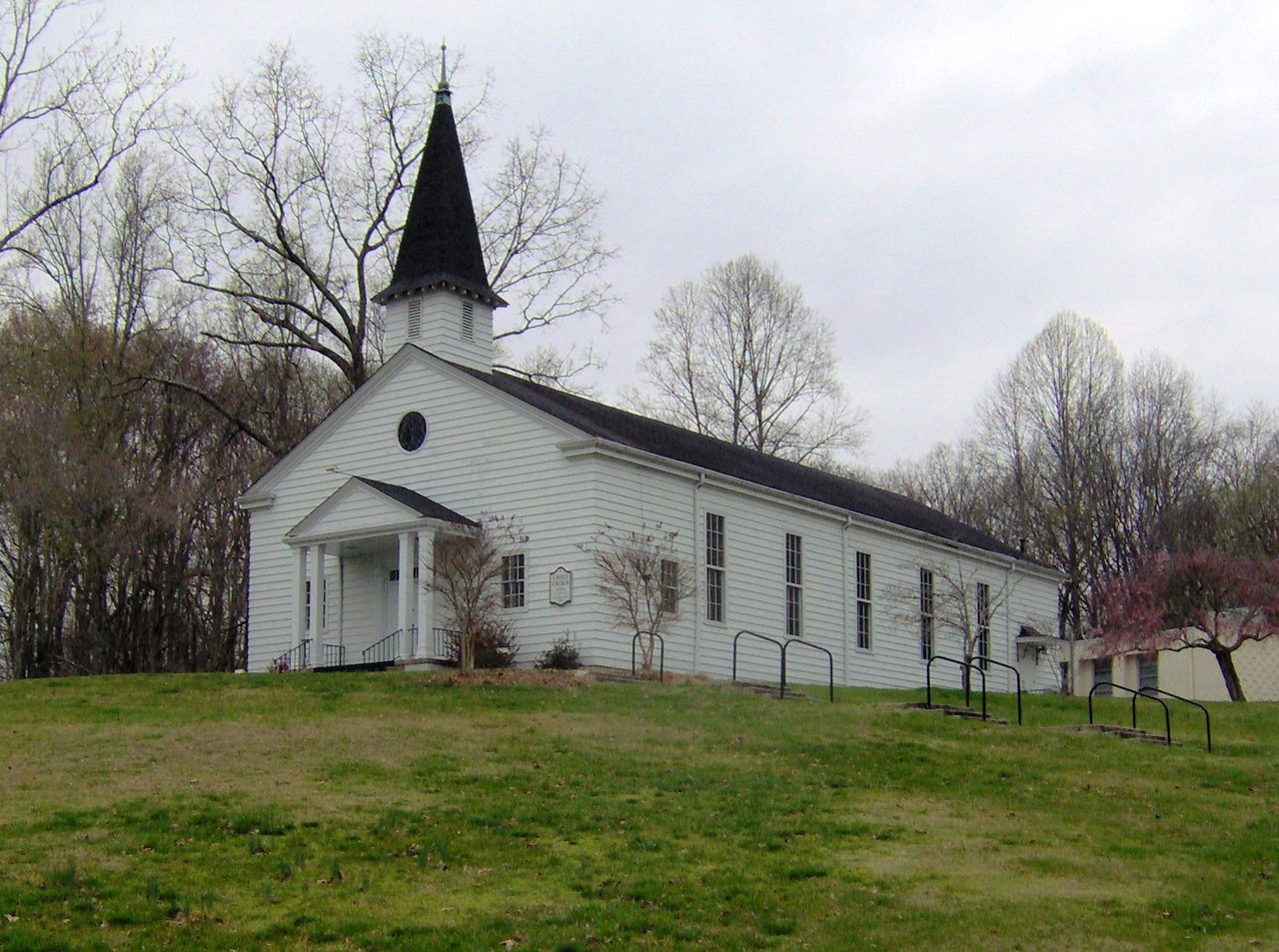
Oak Ridge was built in secret beginning in 1942 to house the workers of the Manhattan Project, which carried atomic energy from theory into practice in under two and a half years. The government, directing private firms, raised a town that reached 75,000 residents by the war's end. The Chicago firm Skidmore, Owings and Merrill planned the townsite and designed its houses with new materials and building methods, the first of its many government jobs, while Stone and Webster Engineering served as general contractor with many subcontractors. Planned as temporary, the town became permanent after the Atomic Energy Commission took over in 1947. The district was listed for its wartime role, its planning and its architecture.
Source: National Register nomination 91001109 (NPS)
About this site
Oak Ridge Historic District is a historic place in Oak Ridge, Anderson County. It is one of 18 historic places documented in Anderson County, among 138 historic sites cataloged across the county on TennRoam.
The site sits at 36.0279, -84.2520 near Oak Ridge. The nearest cataloged historic site is Oak Ridge Institute of Nuclear Studies Medical Division (historical marker), about 0.5 miles away. Others within a short drive include The Tennis Courts, Cedar Hill School, and Elijah Wood.
This record is drawn from the National Register of Historic Places (Tennessee Historic Preservation Office and National Park Service). Use the map below for its exact position and turn-by-turn directions.
The federal reservation behind the district covered nearly 59,000 acres between Black Oak Ridge and the Clinch River, and about 4,000 residents were displaced to make room for it. The townsite itself took up only about 12 square miles and was first planned for 13,000 people. Its single-family houses were mostly prefabricated cemesto types, rated to last about twenty-five years, and housing was assigned by military rank or a civilian's importance to the project. The town was also segregated by race. Strict security, with fences, guards and passes, ended when the gates came down in 1949. The population peaked near 75,000 in 1945 and was 30,205 in 1950. The nomination covers about 3,500 acres with a 1942 to 1959 period of significance, and surviving landmarks include the Chapel on the Hill and the Alexander Inn.
Get TennRoam — 22,000+ historic sites in your pocket
See this site and every marker, battlefield, cemetery, courthouse, museum and landmark across Tennessee on one live map — find what's near you, get directions, and collect sites as you roam.